5 Oct 2026
How Algorithmic Forecasts Are Quietly Altering Risk Assessment in Live Wagering Markets
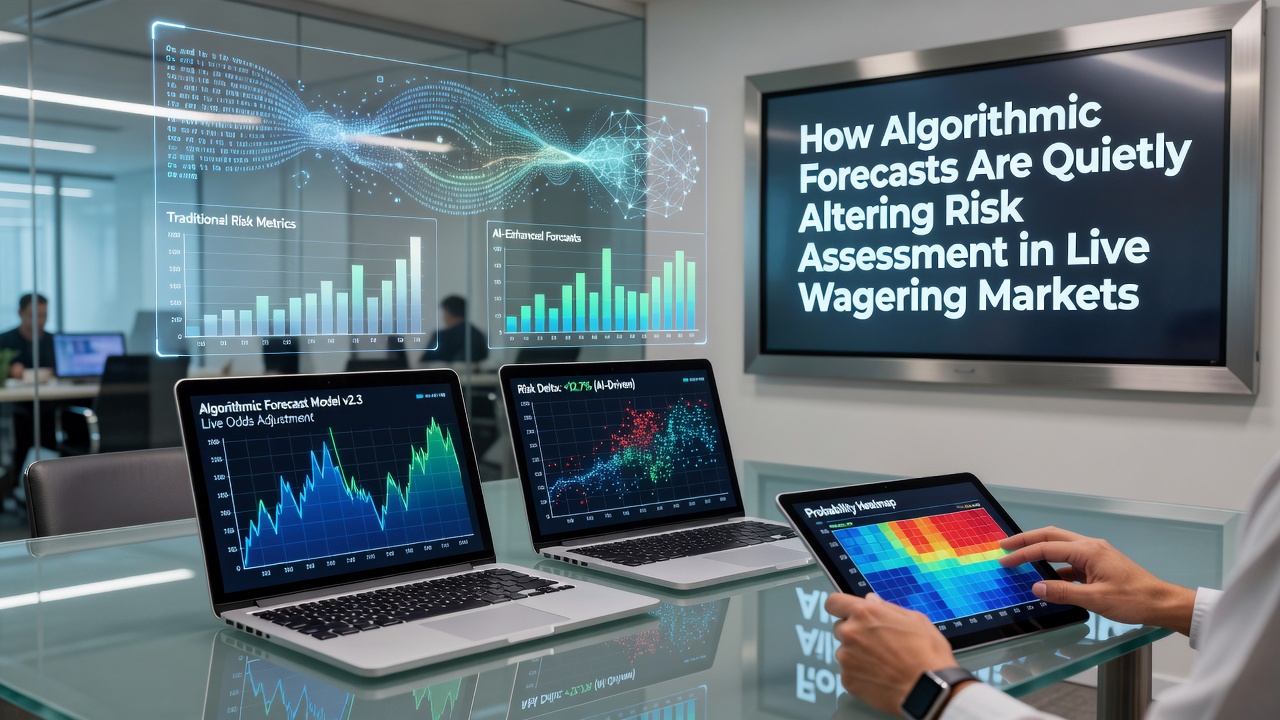
Live wagering markets operate on split-second decisions where odds shift with every play, and algorithmic forecasts now feed directly into those adjustments through continuous data streams from sensors, player tracking systems, and historical performance databases. These models process variables such as weather conditions, injury updates, and momentum indicators to recalibrate probabilities before human traders can review the same inputs, which means risk assessment frameworks at betting operators incorporate automated outputs as primary signals rather than secondary checks.
Integration of Real-Time Data Pipelines
Operators have built pipelines that pull event data every few seconds during matches, and algorithms trained on millions of prior outcomes generate updated probability distributions for outcomes like next-point winners or total points thresholds. In October 2026 figures released by the New Jersey Division of Gaming Enforcement showed that live market adjustments occurred 40 percent faster on platforms using these systems compared with earlier manual review processes, because the software flags anomalies such as unexpected player fatigue metrics and triggers immediate line movements without waiting for supervisory approval.
Those systems also layer in external feeds from league APIs and third-party analytics providers, which allows risk teams to maintain exposure limits across correlated bets while the event unfolds. One operator in the United States reported that its automated risk engine reduced manual interventions by more than half after full deployment, since the models already account for liquidity levels and customer segmentation profiles before any bet is accepted.
Shifts in Traditional Risk Metrics
Conventional risk assessment relied on static margins and historical volatility measures, yet algorithmic forecasts introduce dynamic variance estimates that update with each new data point, which changes how bookmakers calculate their overall book exposure during a single game. Researchers at the University of Nevada, Las Vegas documented in a 2025 paper that these models lowered average hold percentages on live soccer markets by 0.8 points across sampled operators, because the forecasts identify overreactions in public betting patterns more quickly than older threshold-based alerts.
Bookmakers now monitor not only net liability but also predicted variance ranges produced by ensemble methods that combine gradient boosting outputs with neural network simulations of game states. This approach lets risk departments set tighter automated caps on certain bet types when the algorithm signals elevated uncertainty, such as during periods of rapid score changes or when key player substitution data arrives late.

Effects on Market Liquidity and Customer Segmentation
Algorithmic inputs influence which customer segments receive personalized limits or boosted odds, since the models classify bettors according to predicted value and historical accuracy rates. Data from the Australian Gambling Research Centre indicates that operators using these classifications adjusted maximum stake thresholds for high-volume accounts 25 percent more frequently in live markets during 2026, while maintaining steadier limits for recreational segments whose patterns align with the forecast consensus.
Market liquidity benefits when the algorithms detect and counterbalance one-sided betting flows early, because the system can widen spreads or pause certain lines until equilibrium returns. Observers note that this reduces the frequency of large-scale liability spikes that previously required manual hedging across multiple exchanges, and it allows smaller operators to compete by relying on the same external forecast providers rather than maintaining large in-house trading desks.
Regulatory and Operational Adjustments
Regulators in several jurisdictions have begun requiring operators to document how algorithmic outputs feed into risk controls, particularly when those outputs override human trader recommendations on live events. The Malta Gaming Authority issued guidance in mid-2026 that mandates audit trails for any automated line change exceeding a defined threshold, which forces platforms to retain model version logs and input data snapshots for compliance reviews.
Operational teams have responded by creating hybrid workflows where algorithms handle initial risk scoring and human reviewers examine edge cases flagged by confidence intervals below a set level. This structure has allowed firms to scale live betting offerings across more sports without proportional increases in staffing, since the software already incorporates jurisdiction-specific rules around maximum payouts and responsible gambling triggers.
Conclusion
Algorithmic forecasts have become embedded in the daily mechanics of live wagering risk assessment through faster data integration, updated variance calculations, and refined customer segmentation tools. As of October 2026, multiple regulatory bodies and research institutions continue to track how these systems affect market stability and operator compliance, with ongoing studies examining long-term impacts on both liquidity patterns and regulatory reporting requirements. The shift remains incremental yet measurable across platforms that have adopted the technology at scale.